Mold Removal Wilton Manors, FLTrusted by Homeowners since 2012
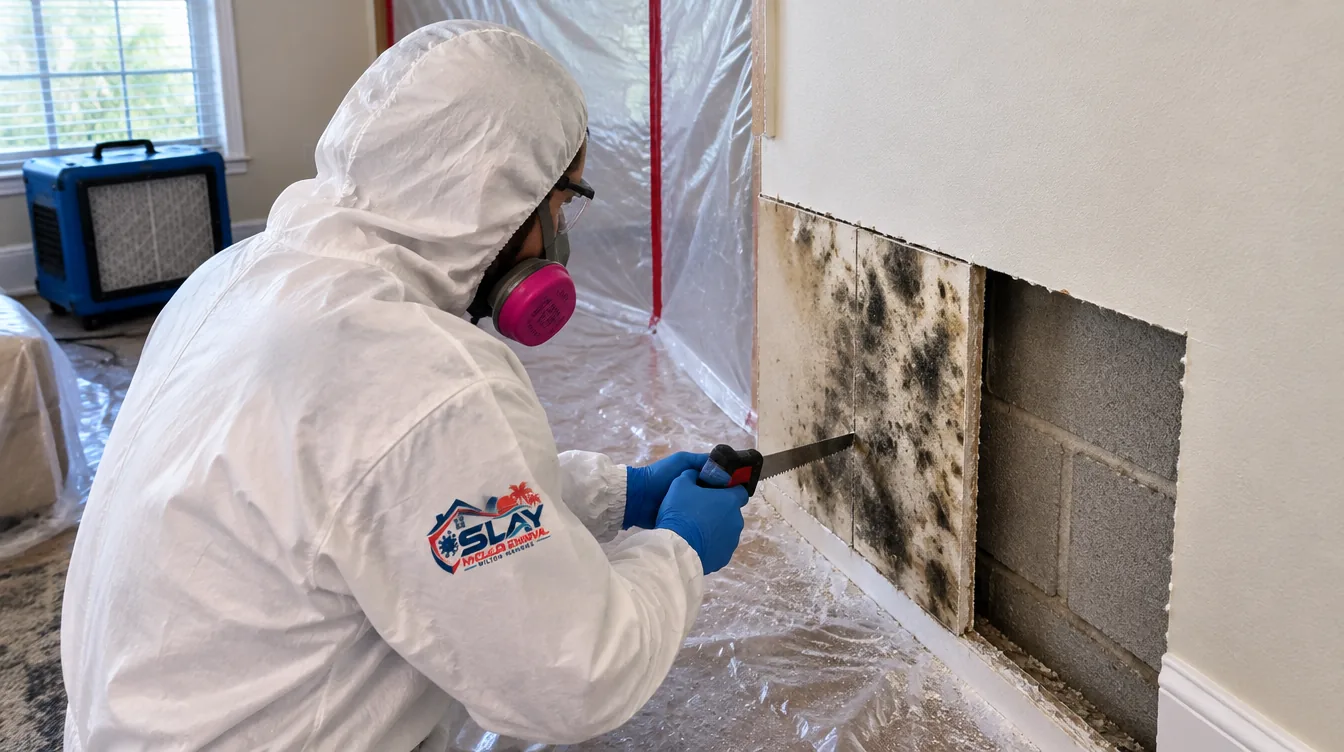
Mold removal in Wilton Manors, FL works best when it starts with the water behind the growth. From the townhouses of Highland Estates to the canal-side homes along the Middle River, a slow roof leak, a sweating air handler or a bathroom fan that never runs long enough is usually where it begins. We find that source, take out what can't be saved and leave the area dry.
Book InspectionWhat we remove, and where it grows
Mold Remediation
Mold Remediation in Wilton ManorsContainment, removal of affected materials and cleaning, planned around how far growth has spread.
Black Mold Removal
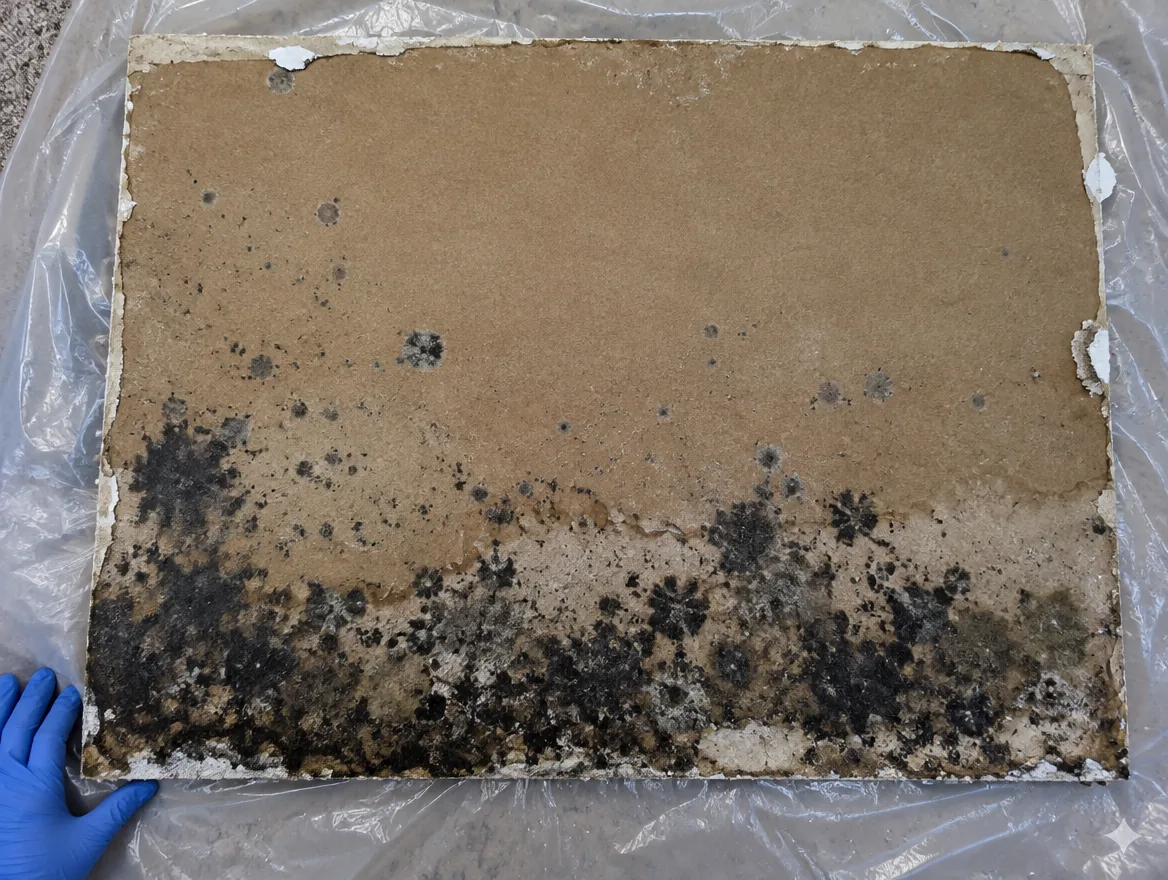
Black Mold Removal in Wilton ManorsDark growth on drywall or wood after a leak, removed with the wet material behind it.
Attic Mold Removal
Attic Mold Removal in Wilton ManorsSheathing and rafters stained after roof leaks or poor ventilation, cleaned and dried.
When the smell won't leave
- A musty smell that returns. Odour that comes back after cleaning often points to growth inside a wall or the AC system.
- Spots after a leak. Stains on ceilings or baseboards weeks after water damage are a common sign.
- Peeling paint and soft drywall. Moisture behind a finish lifts paint before mold shows on the surface.
- Growth around the air handler. Condensate lines and drain pans keep closets damp in South Florida.
Attic mold after a roof leak
South Florida attics run hot and humid, and a small leak at a vent boot or flashing can leave the plywood above your ceiling stained for months before anyone notices. We clean and treat the sheathing, remove soaked insulation and point out the leak or ventilation problem that caused it.
Attic Mold Removal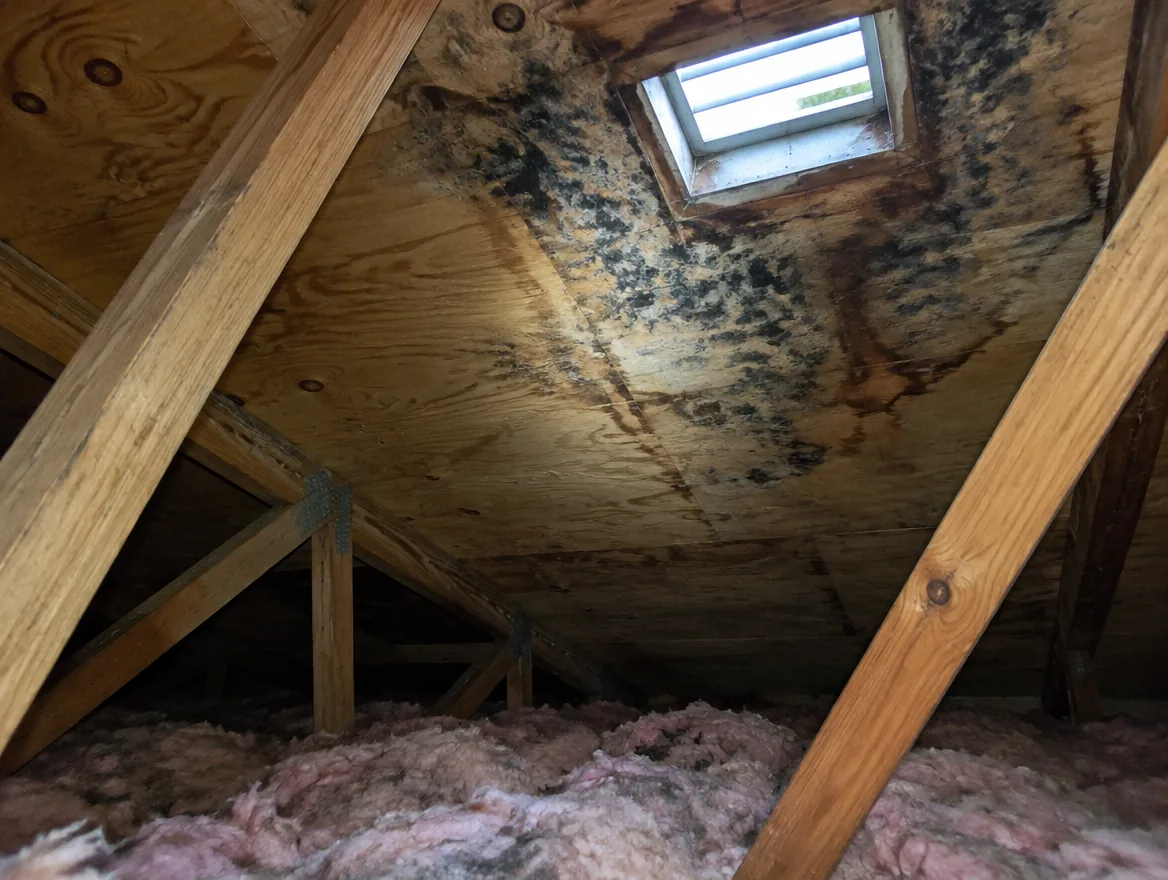
Mold is a moisture problem first. Removal lasts when the water source is fixed too.
How a job runs
Inspect
Find the growth and the moisture source behind it.
Contain
Seal the work area so spores stay out of clean rooms.
Remove
Take out materials that can't be cleaned, clean the rest.
Dry and check
Confirm the area is dry before walls close up.
Where the water usually comes from
Most mold problems in South Florida homes trace back to a handful of moisture sources. The air handler is near the top of the list. It pulls water out of the air all day, and that water has to drain through a condensate line. When the line clogs with algae or the drain pan cracks, water spills into the closet floor, the wall behind it or the ceiling below.
Plumbing is the next usual suspect. A weeping supply line under a sink, a loose toilet seal or a pinhole leak in a wall can stay hidden for weeks. Roof leaks and storm water add another layer, especially around vent boots, skylights and older flashing.
Bathrooms round out the list. A shower that runs every morning and a fan that is weak or switched off too soon leave the ceiling and walls damp most of the day. Bathroom mold removal is part of our mold remediation work, and the fix almost always includes better ventilation.
How an inspection finds hidden moisture
Mold you can see is only part of the picture. The real question is where the wet material ends. A good inspection starts with a moisture meter, which reads how damp drywall, wood and flooring are compared with dry areas nearby.
Thermal imaging is another common tool in the trade. A thermal camera shows temperature differences across a wall or ceiling, and damp spots often read cooler than the surface around them. It does not see mold. It points to places worth checking with a meter.
During a mold inspection we look closely at the spots where trouble starts, like AC closets, under sinks, around windows and below bathrooms. The goal is a clear map of the moisture so removal covers the whole problem, not just the stain.
Humidity, rainy season and storms
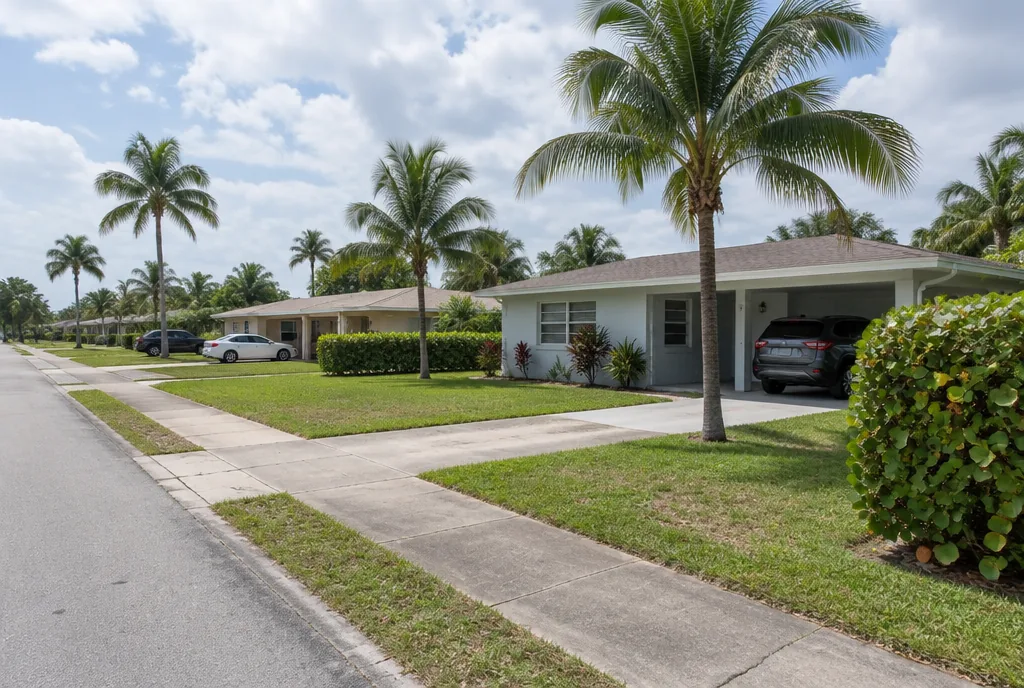
Here in Wilton Manors the air stays warm and humid for most of the year. That alone does not cause mold, but it slows drying. A wall that would dry in a day somewhere else can stay damp much longer here.
The summer rainy season and hurricane season raise the stakes. Wind-driven rain finds gaps in windows, doors and roof edges, and power outages can shut the AC off for days. When the air conditioning stops pulling moisture out of the house, indoor humidity climbs fast. After a storm, check ceilings, closets and the space under windows. Dark staining on wood above your ceiling is a sign to look at attic mold too.
Mold and the air you breathe
Public health agencies such as the CDC and EPA note that mold can irritate the eyes, nose, throat and skin in some people. It can also trigger reactions in people with allergies or asthma. Not everyone reacts the same way, and some people notice nothing at all.
The general advice is simple. Indoor mold growth should be removed and the moisture fixed. If anyone in your home has breathing problems, allergies or a weak immune system, keep them away from the affected area and talk to your doctor about any symptoms.
Keeping it from coming back
Removal only lasts if the house stays dry afterward. Have the AC serviced on schedule and flush the condensate line so it drains freely. Run bathroom fans during showers and for a while after. A dehumidifier helps in closed-up rooms or a home that sits empty for part of the year.
Fix leaks as soon as you spot them, and dry wet materials quickly after a spill or storm. If dark growth shows up again on drywall or wood, our black mold removal page explains why the wet material usually has to come out.
Mold removal questions homeowners ask
- How do I know if I need testing before removal?
- Visible growth usually doesn't need a test to confirm it's mold. Testing helps when you smell mold but can't see it, or when you want clearance after the work.
- Is black mold more dangerous than other mold?
- Colour doesn't identify the species, and any indoor growth on wet materials should be removed. Treat dark growth after a leak as something to deal with promptly, not panic over.
- Can I just bleach mold myself?
- Small surface spots on hard surfaces can be cleaned, but bleach does not reach growth inside drywall or wood. Larger or returning growth needs the wet material removed.
- Does mold come back after removal?
- It can if the moisture source stays. Fixing the leak or humidity problem is part of the job.
Ready to get rid of it for good?
Call (754) 239-5777 or book an inspection online.